

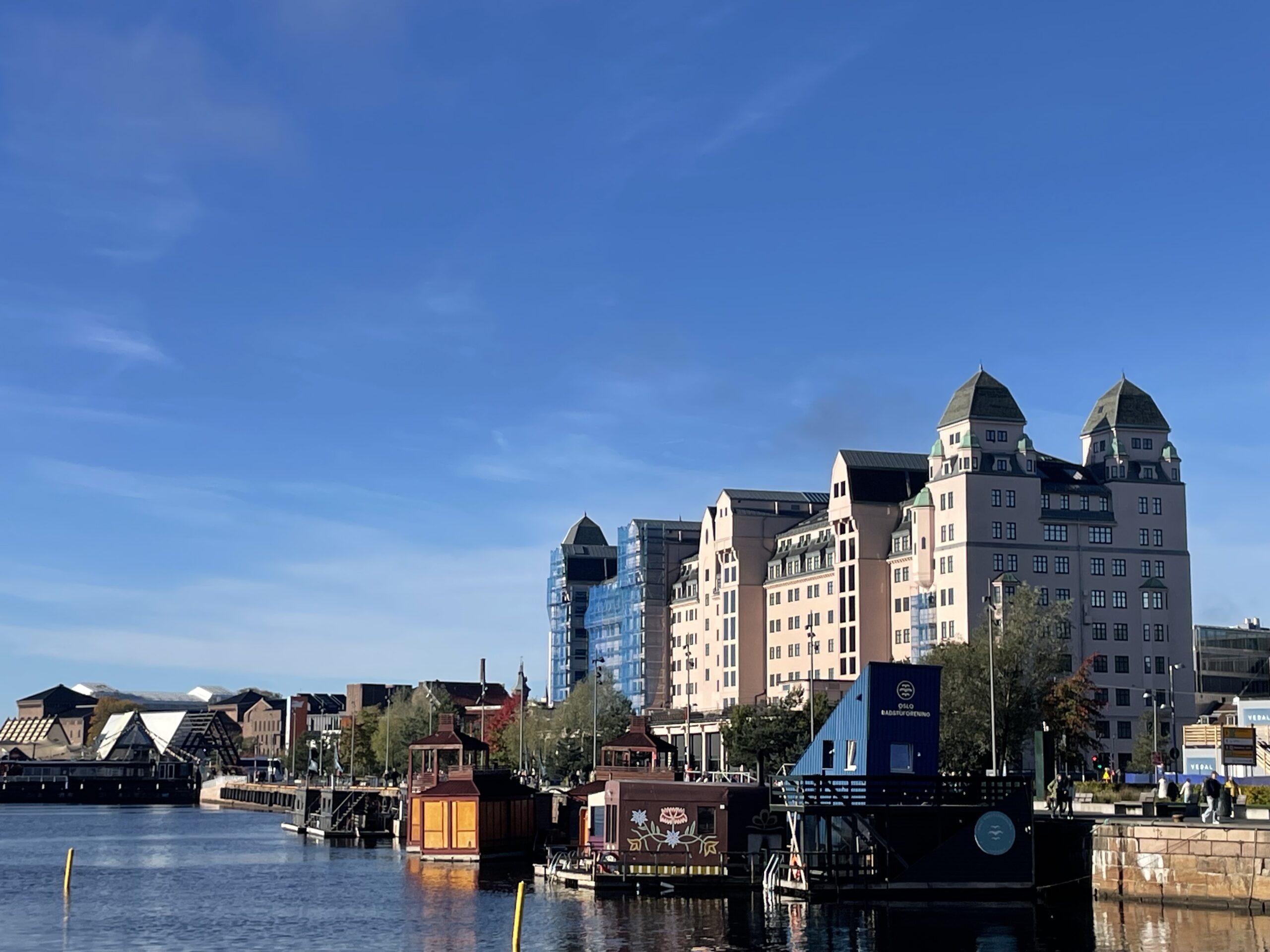
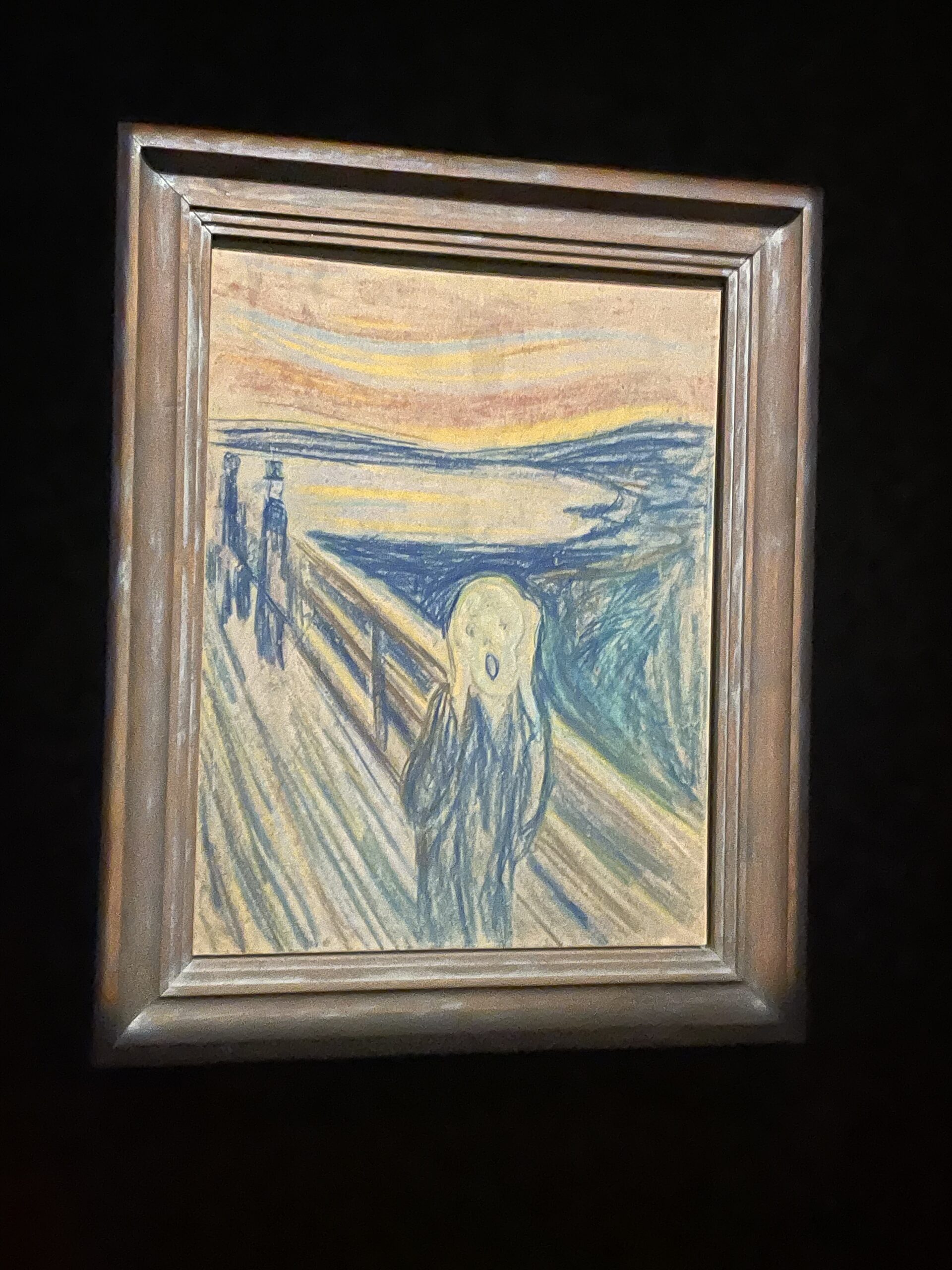
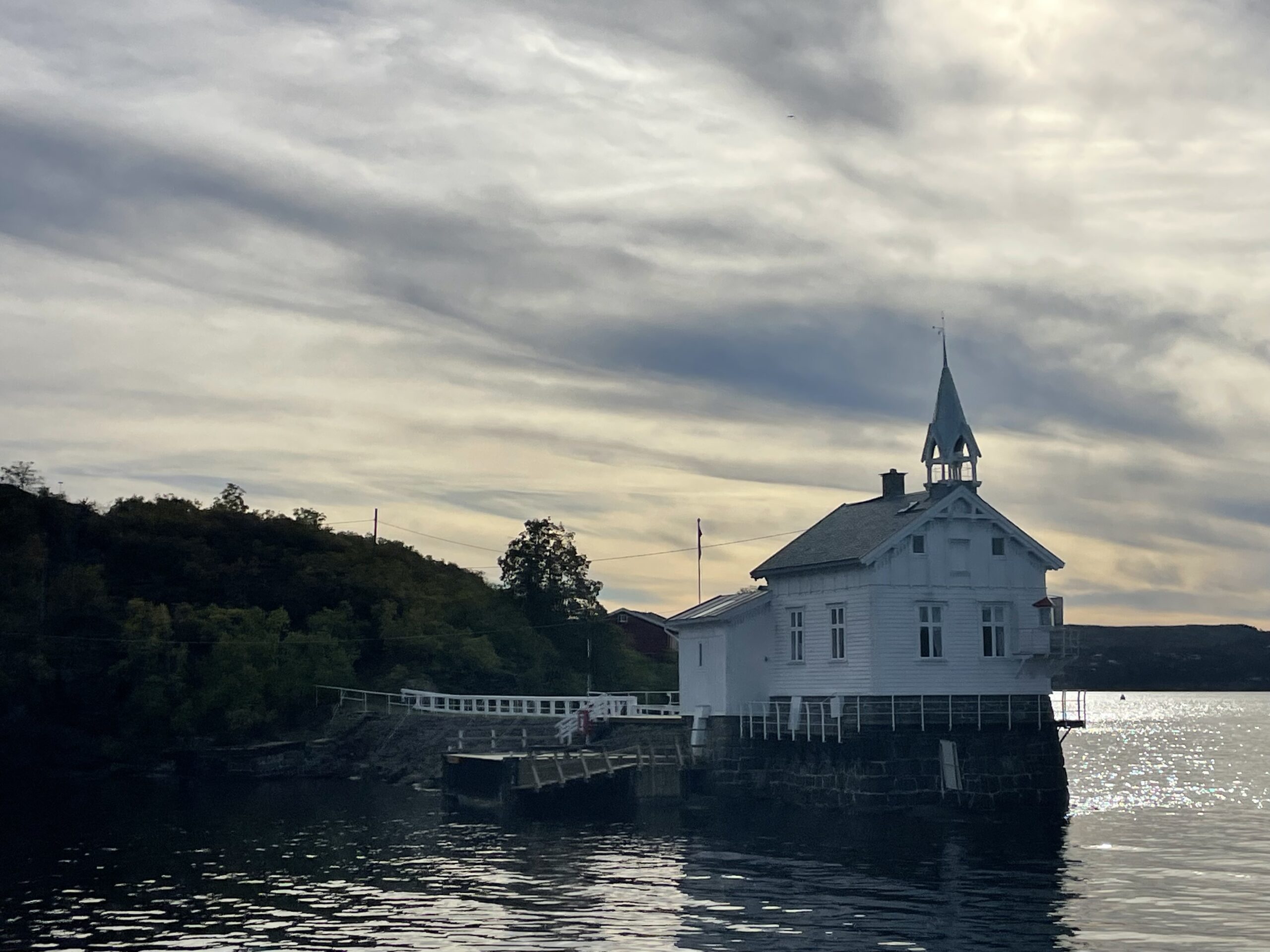
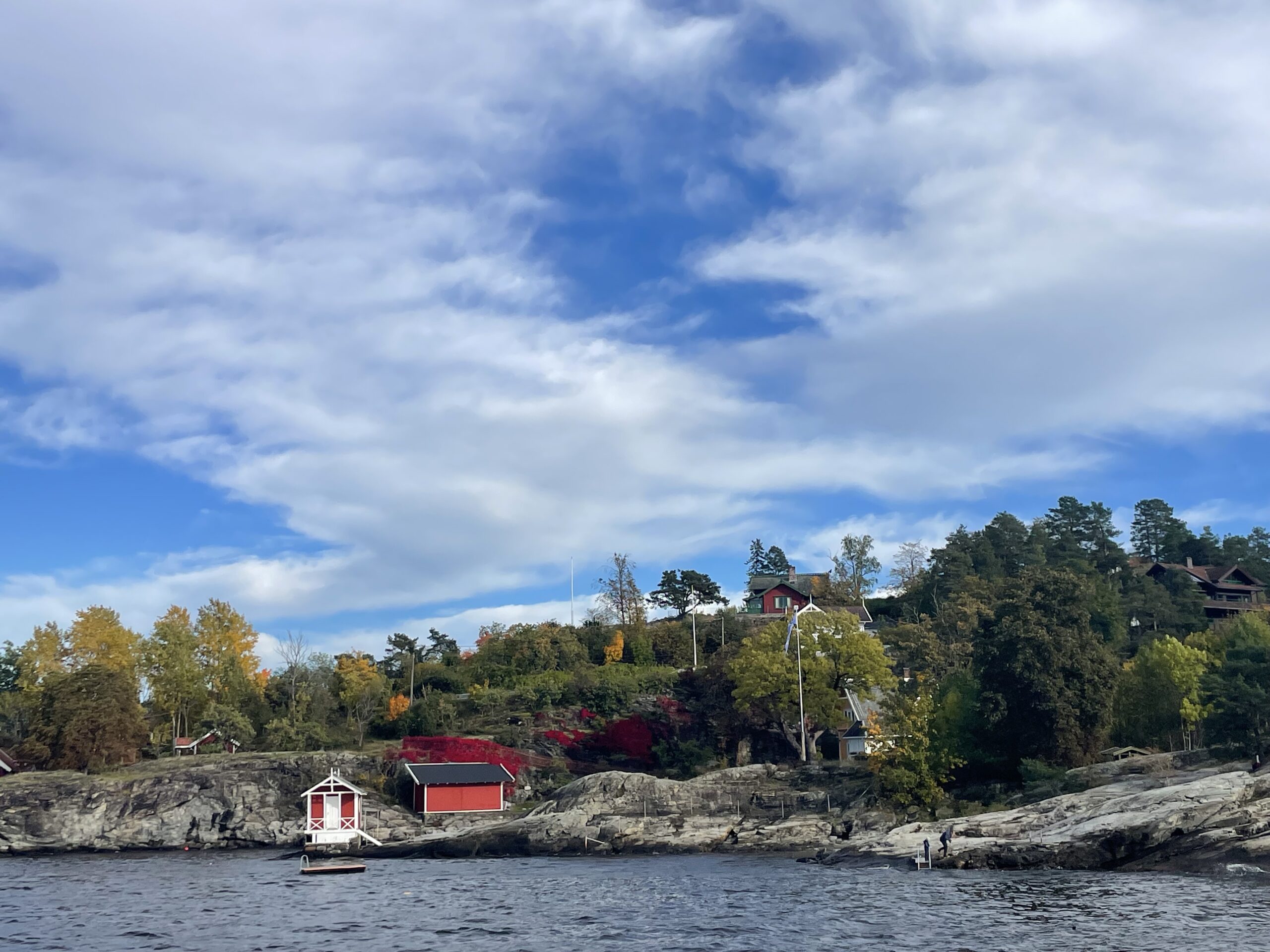
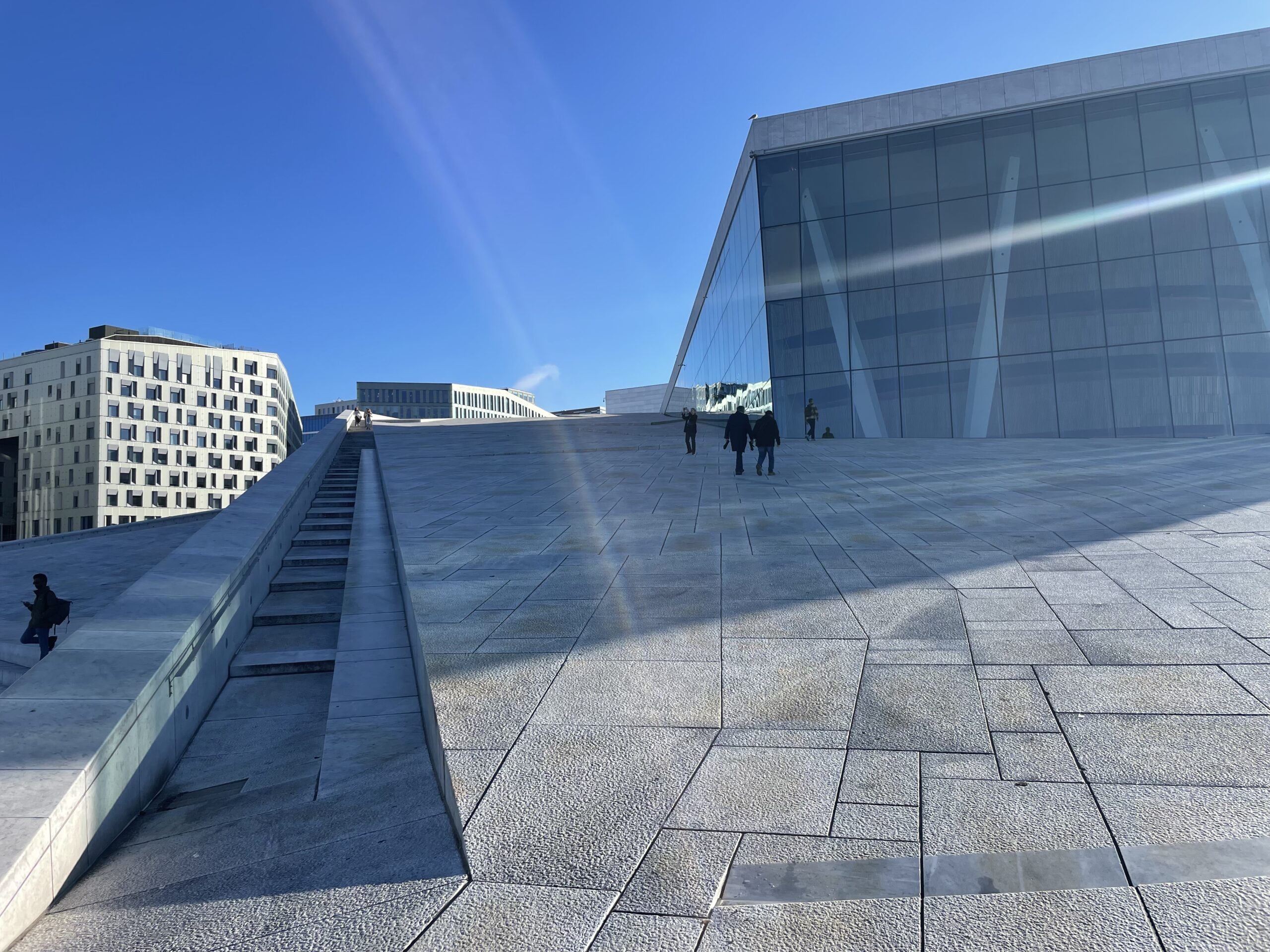
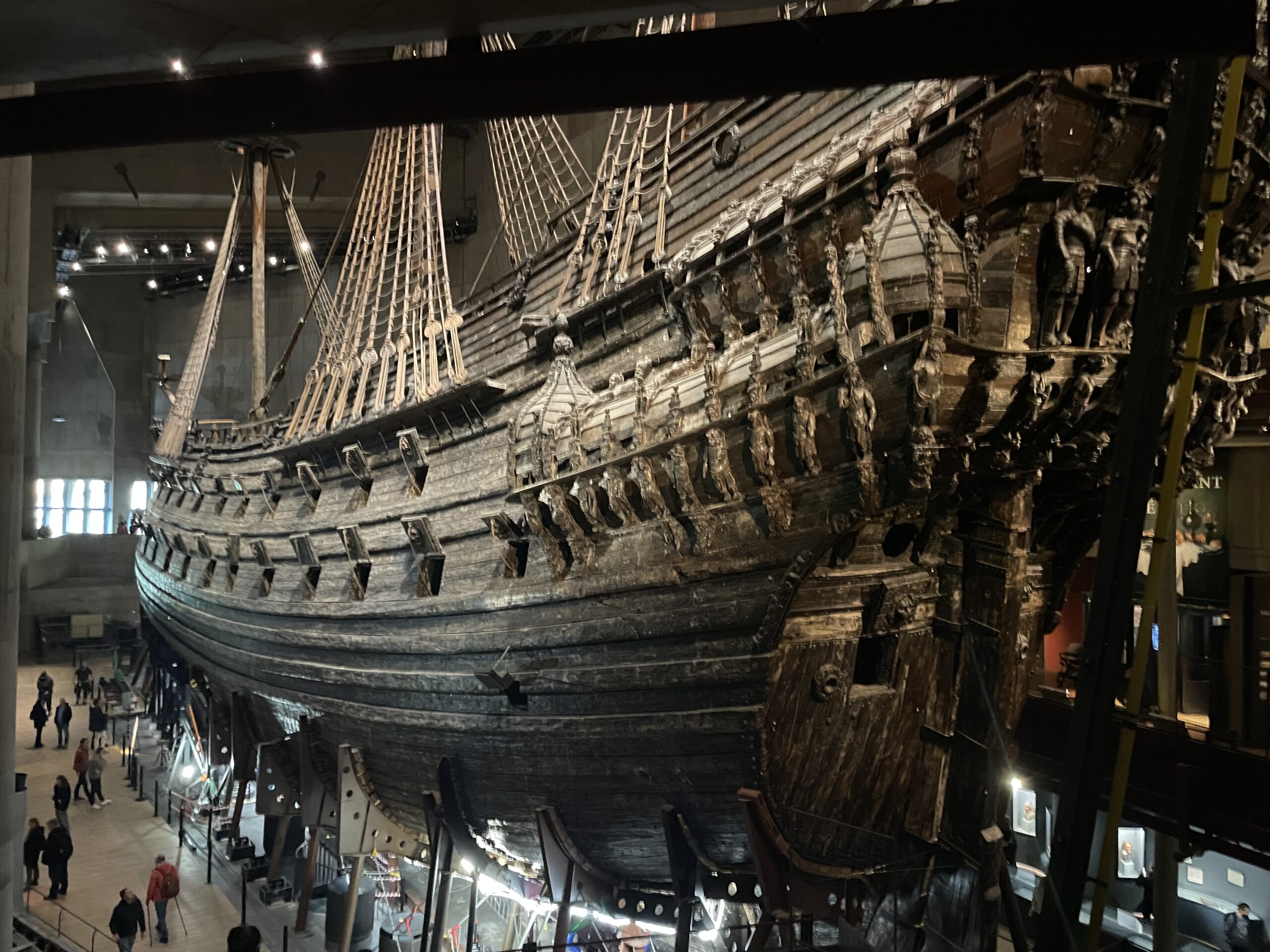
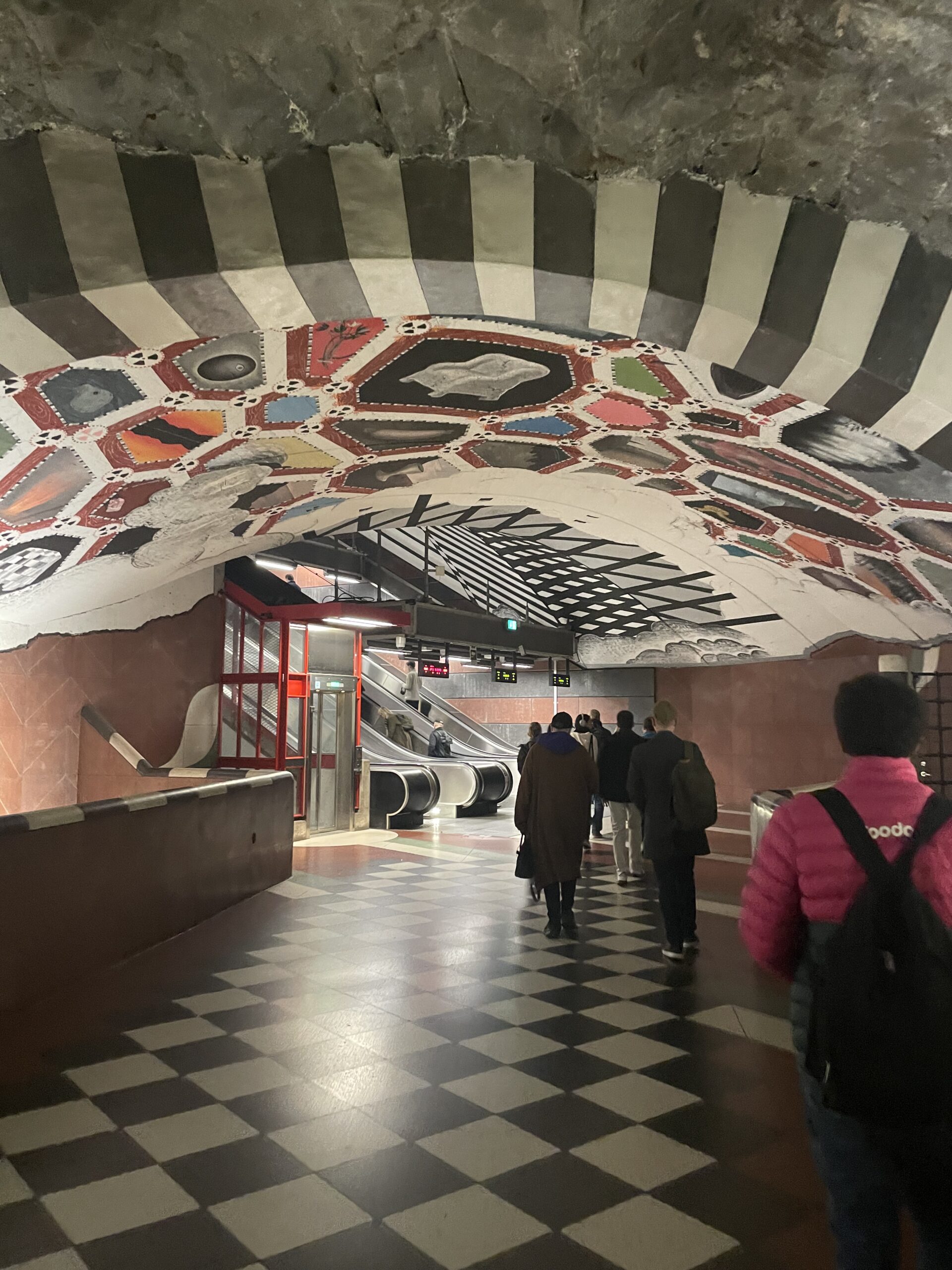
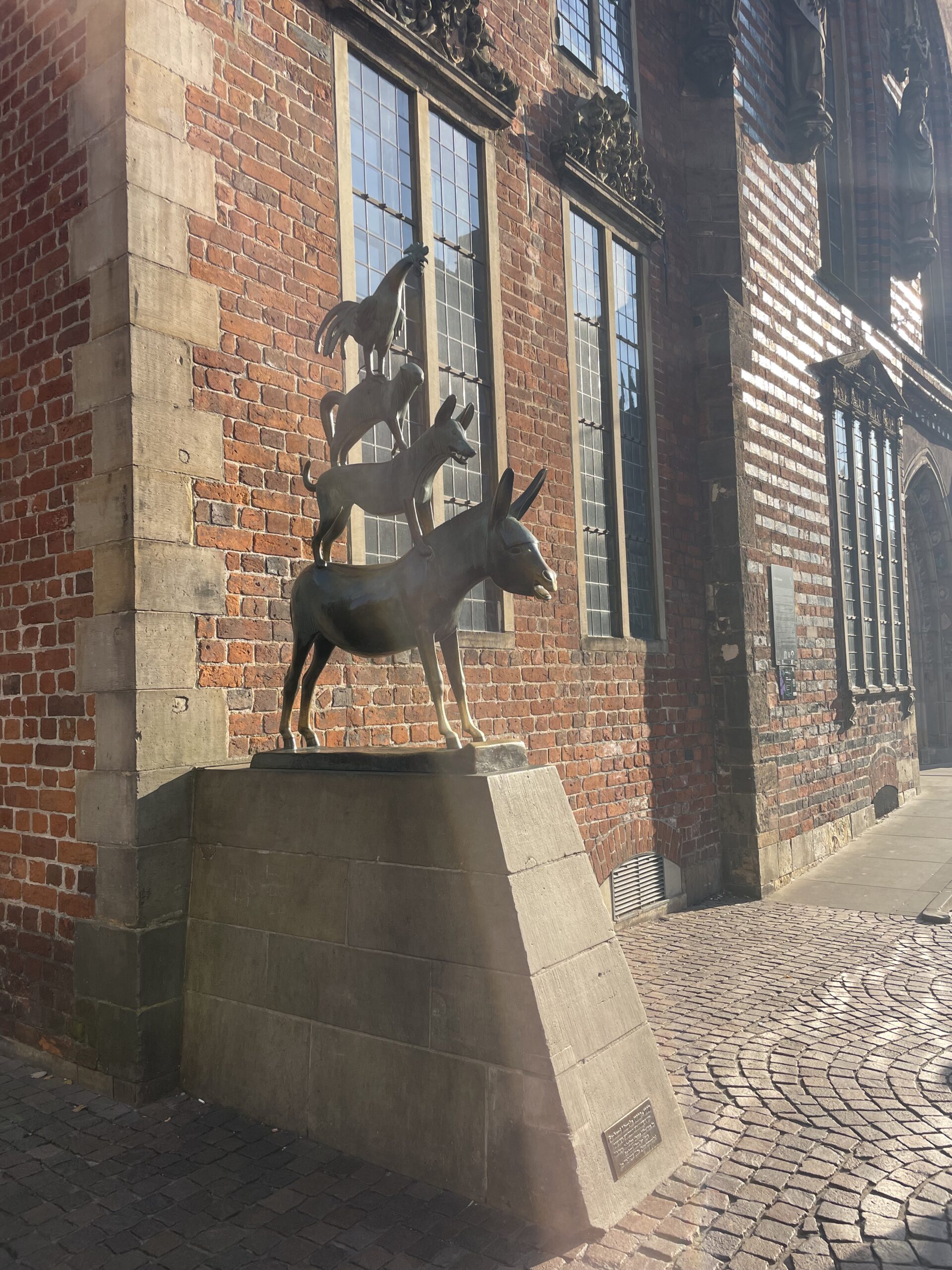
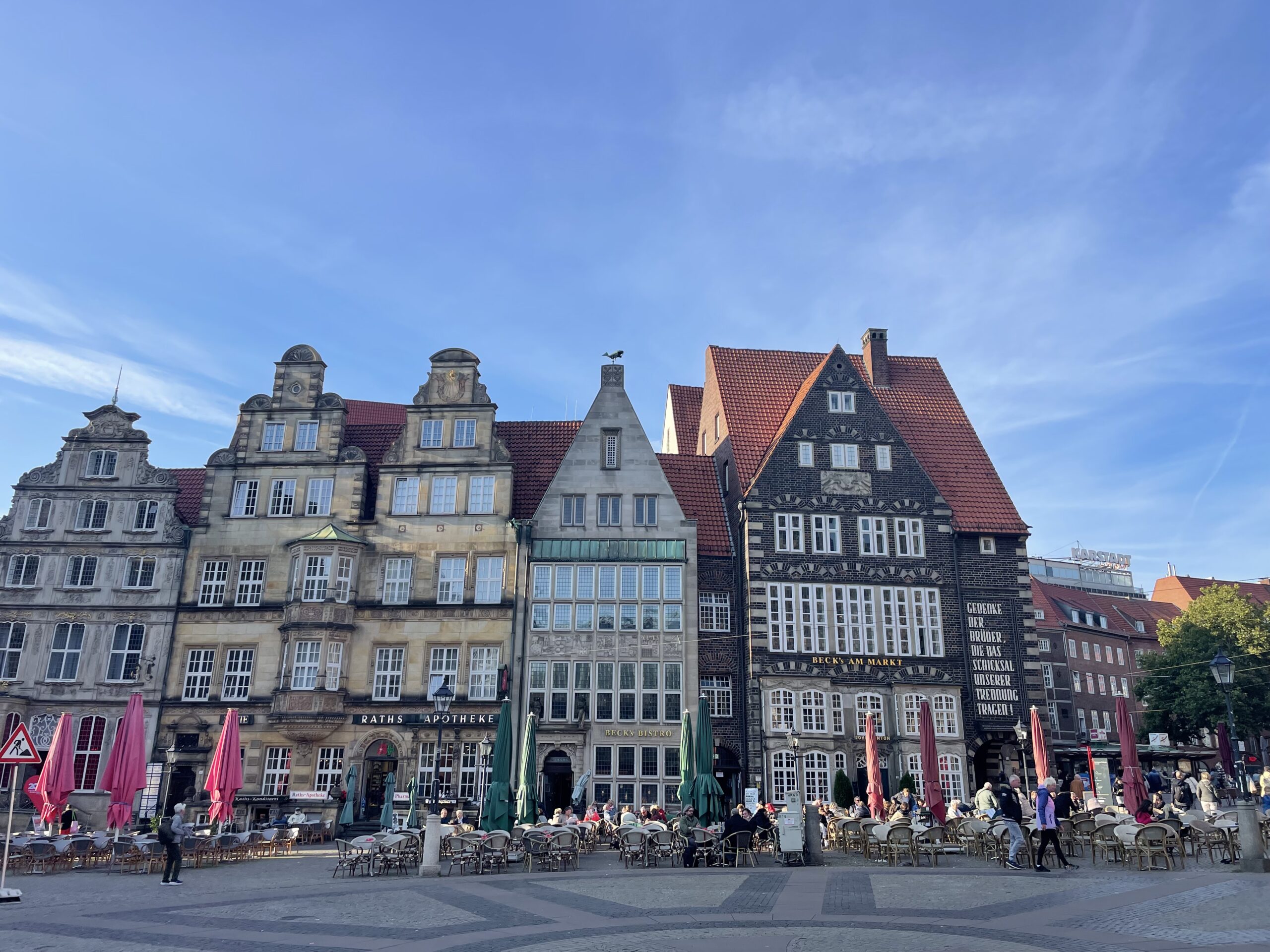
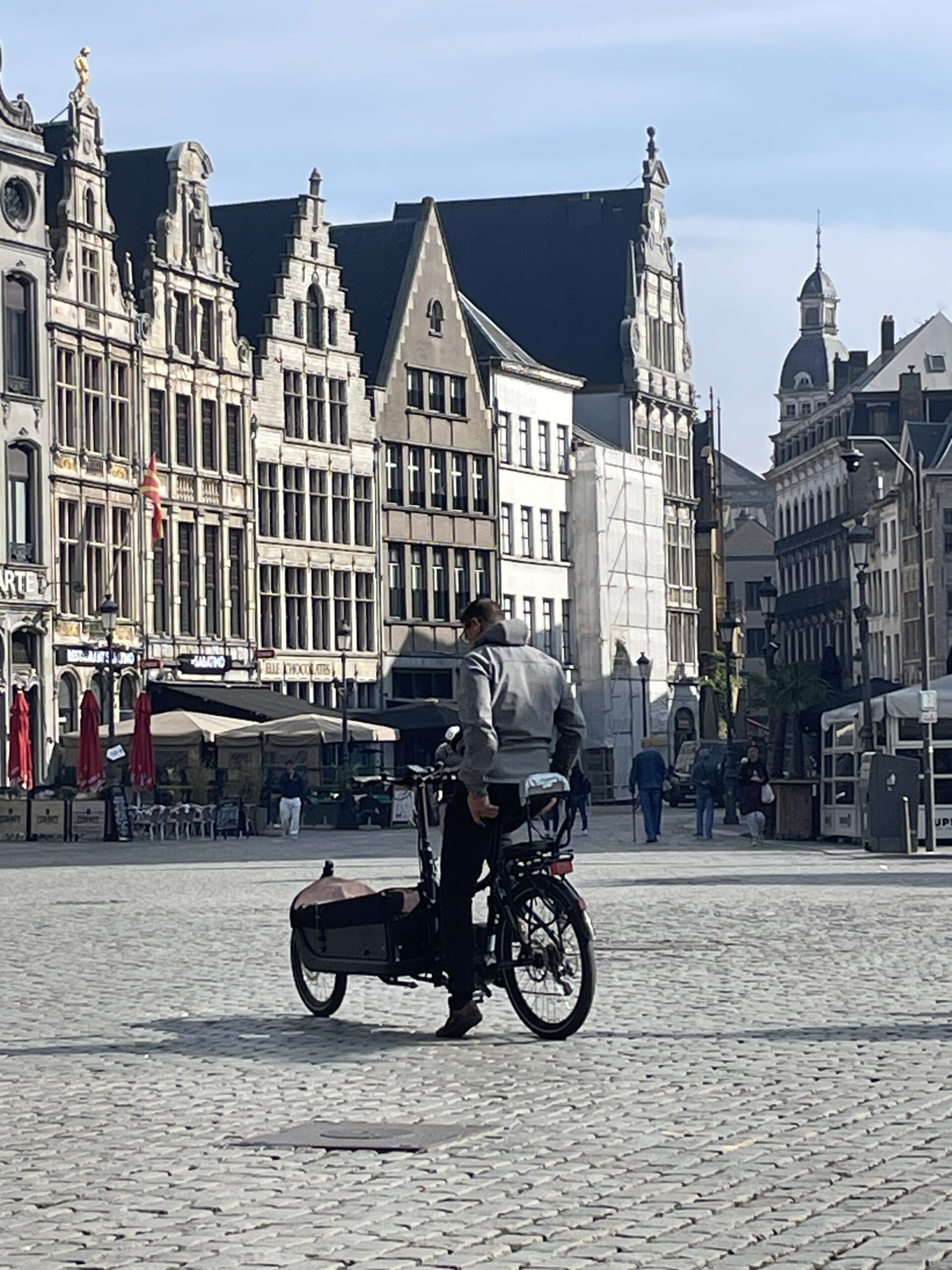
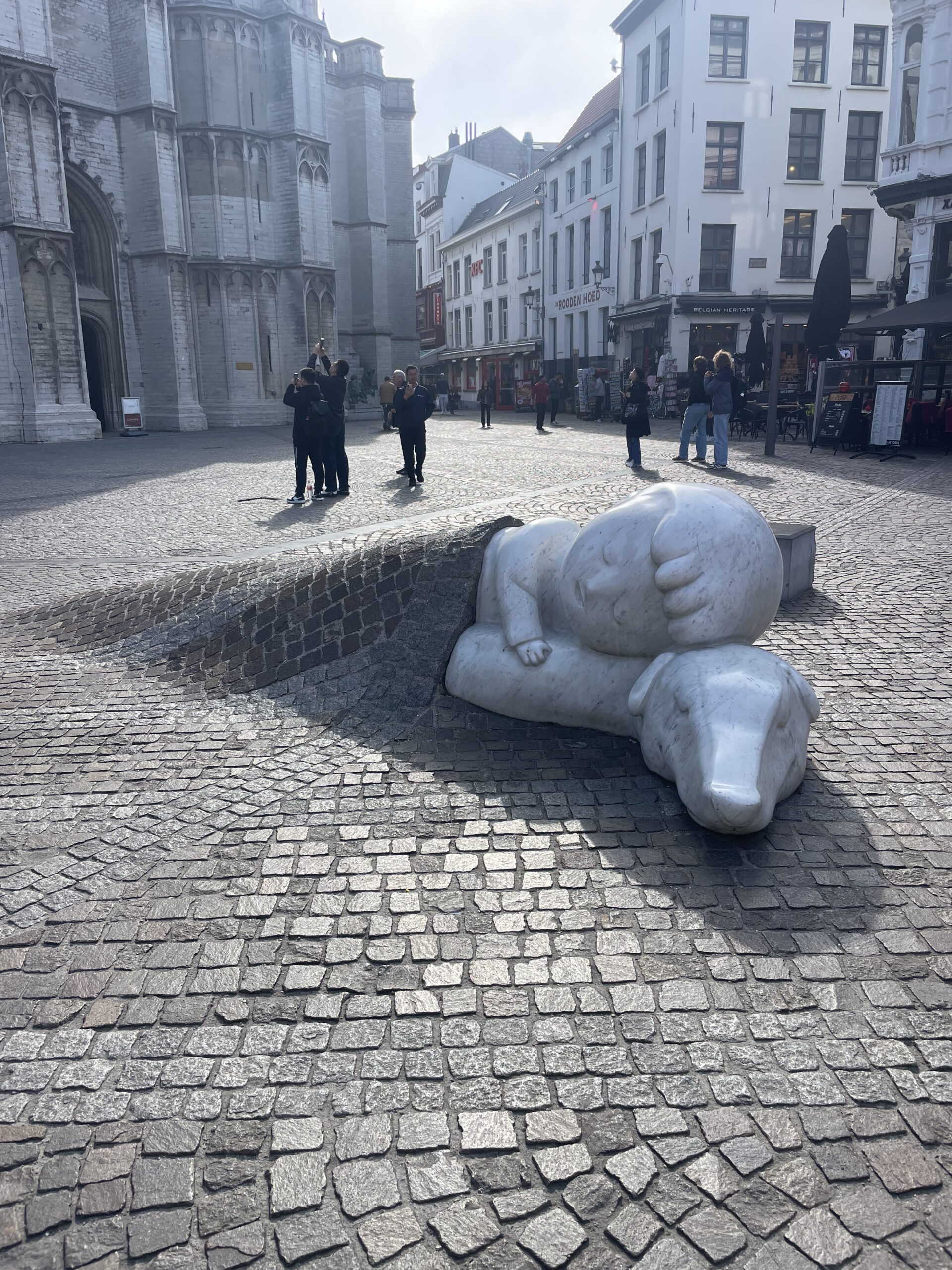
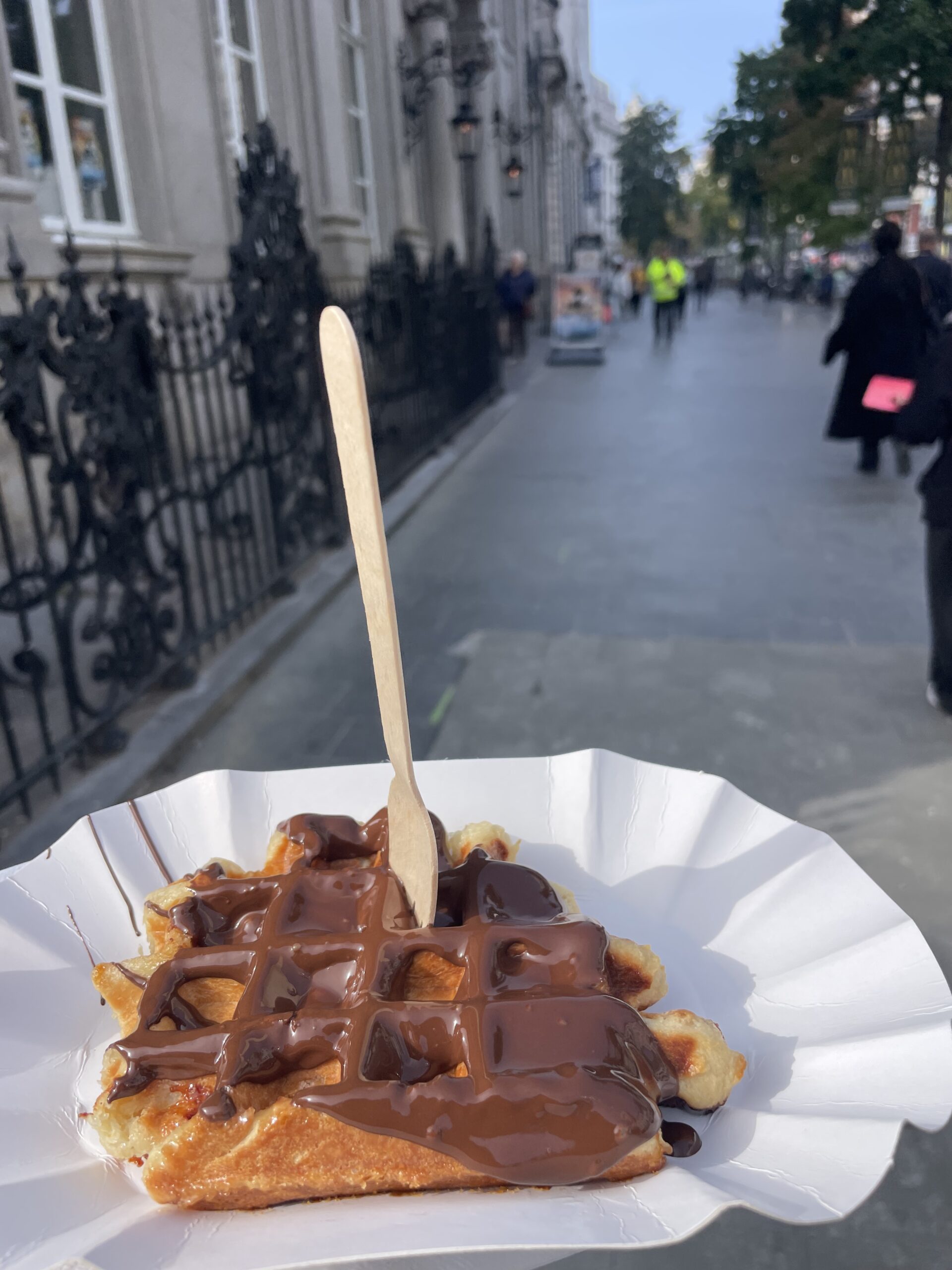
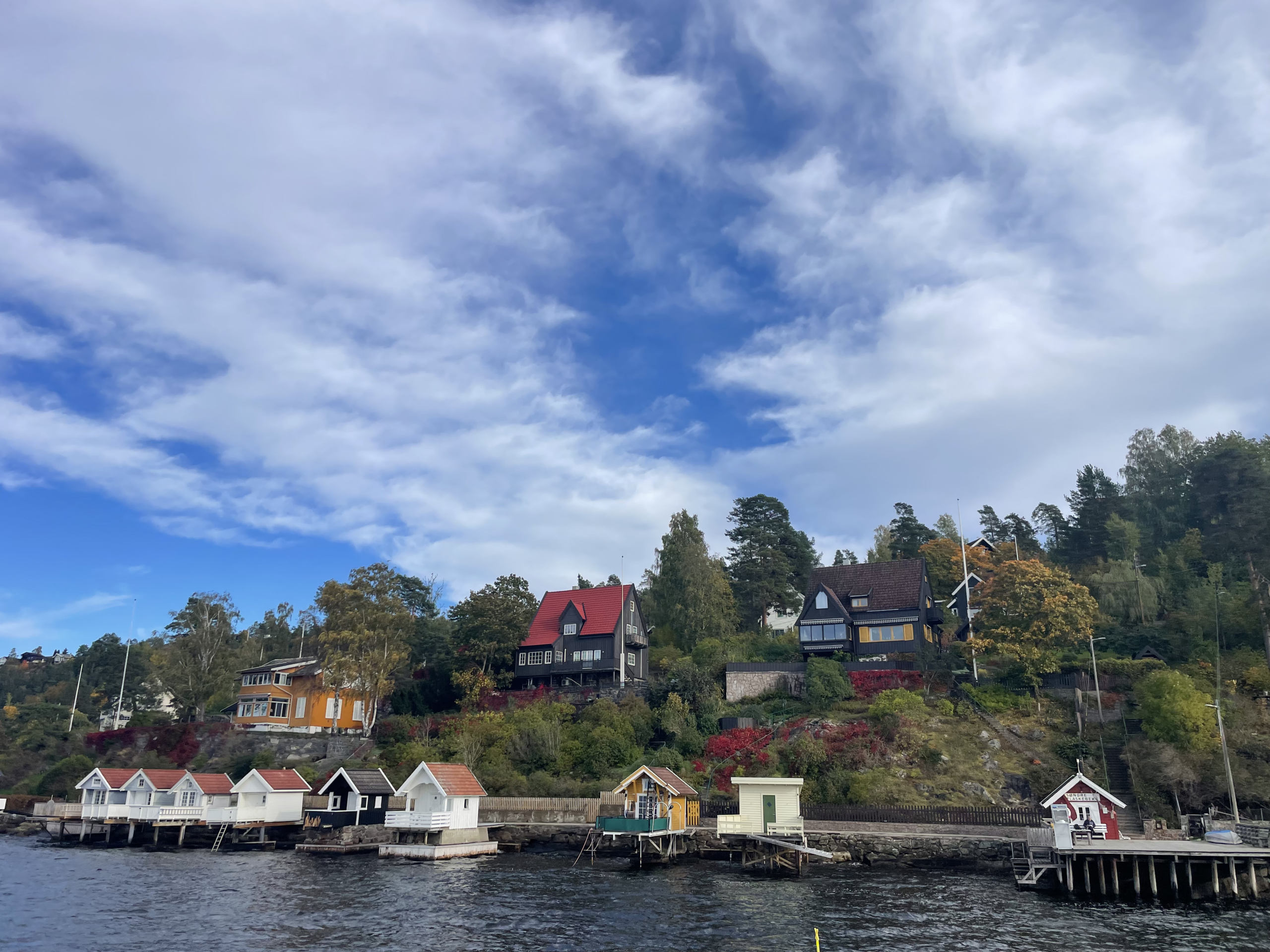
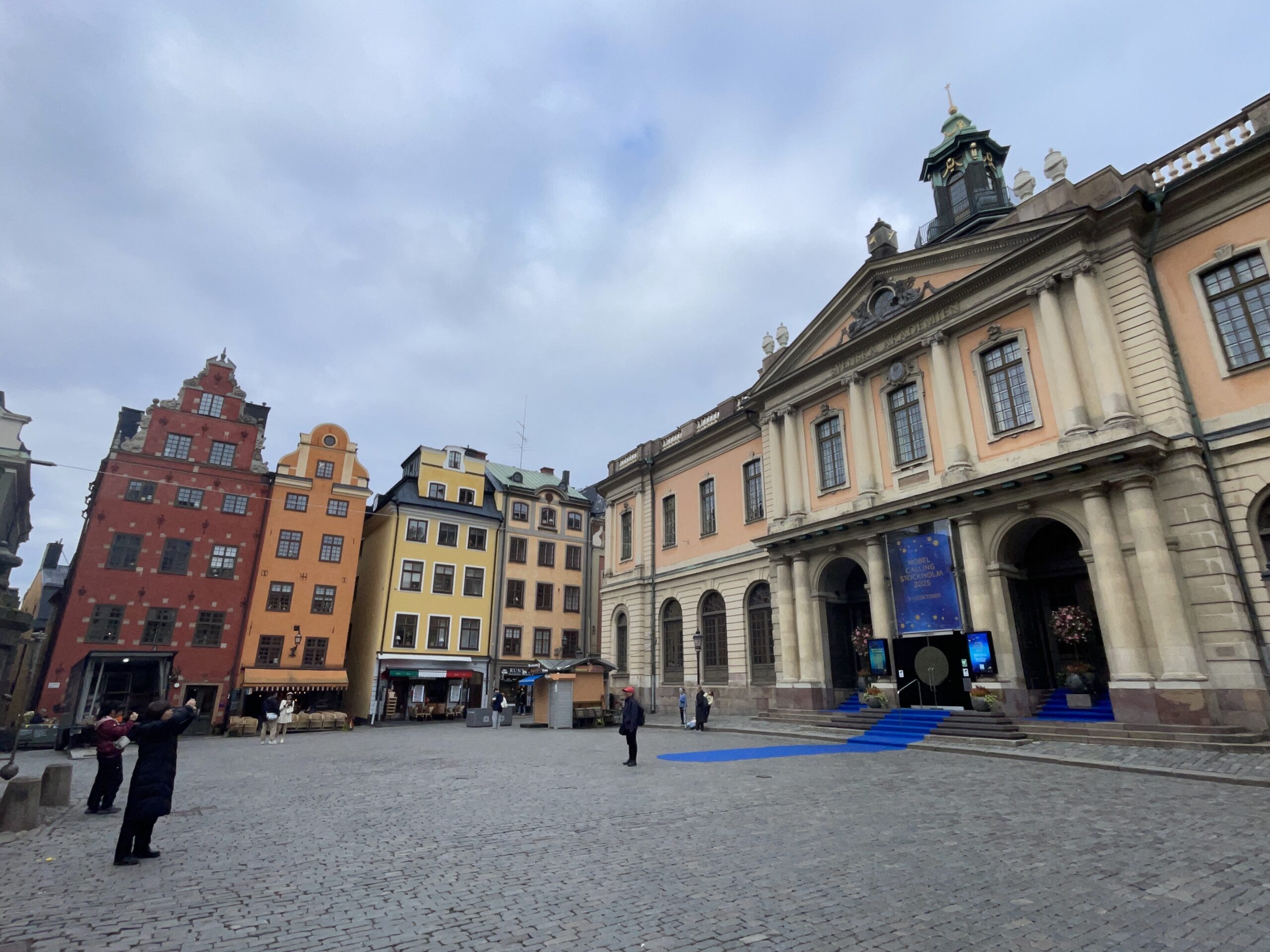
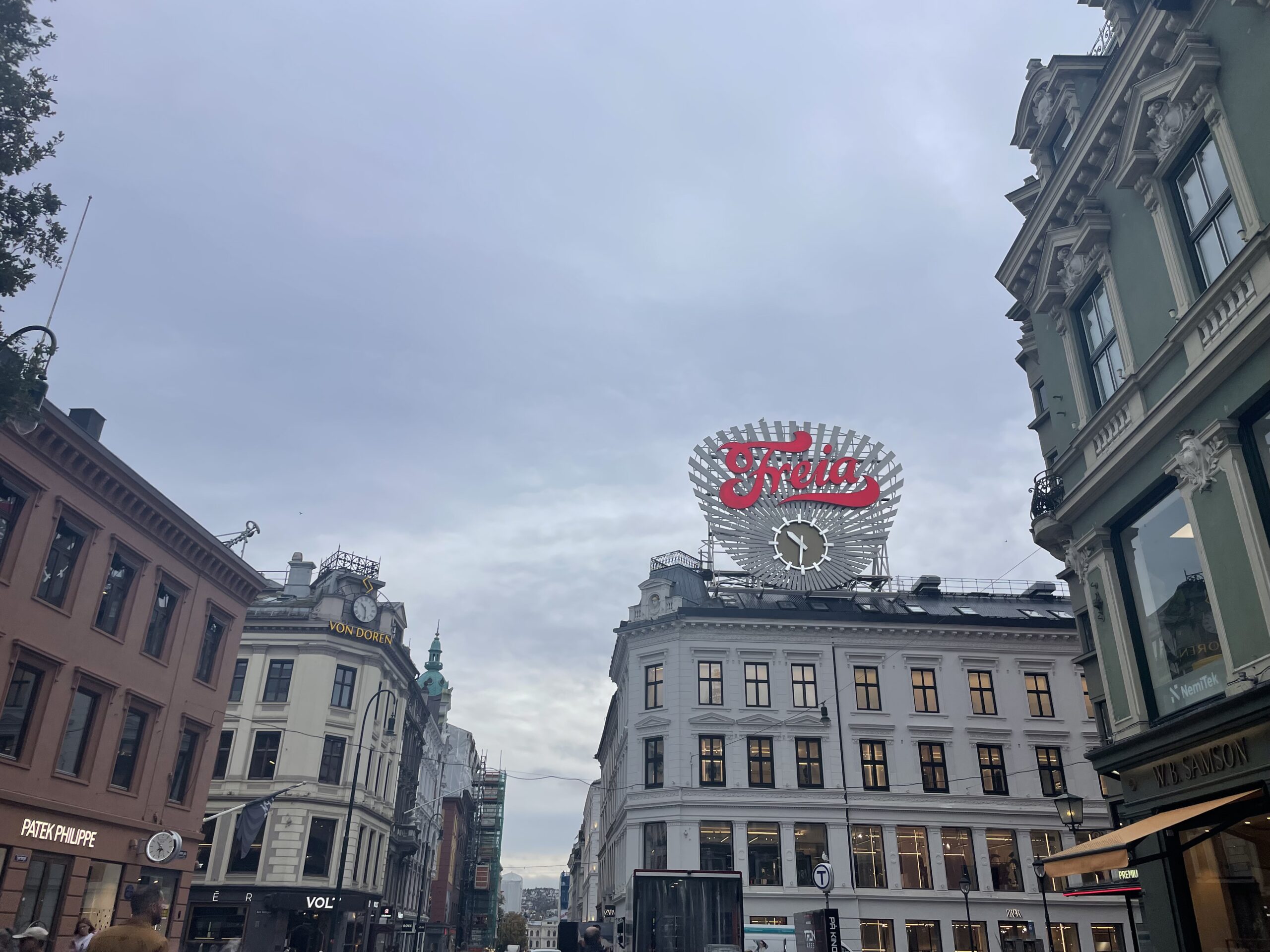
I set off from the northern coast of Spain in Gijón to begin a 3,500km solo road trip to Oslo. Over the course of 22 days, this journey crossed through eight European countries, moving from the rugged Atlantic scenery of Asturias through the heart of Western Europe.
Traveling overland and alone provided the flexibility to navigate this distance at my own pace, reaching the Norwegian capital by mid-October. This trip wasn’t about high-speed transit, but about the experience of watching the landscape and culture shift steadily as I drove north.
Solo Roadtrip: Asturias to Scandinavia


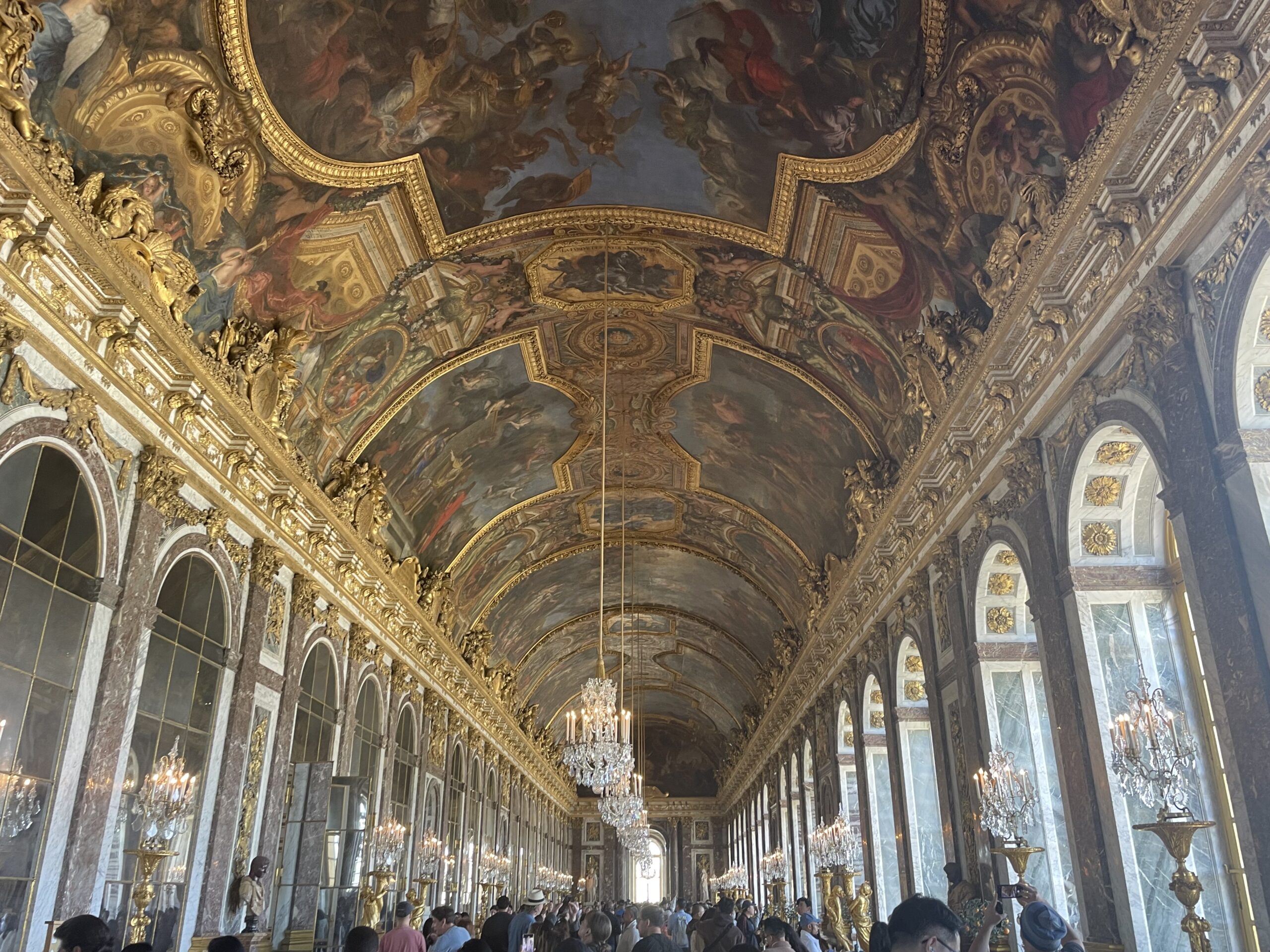
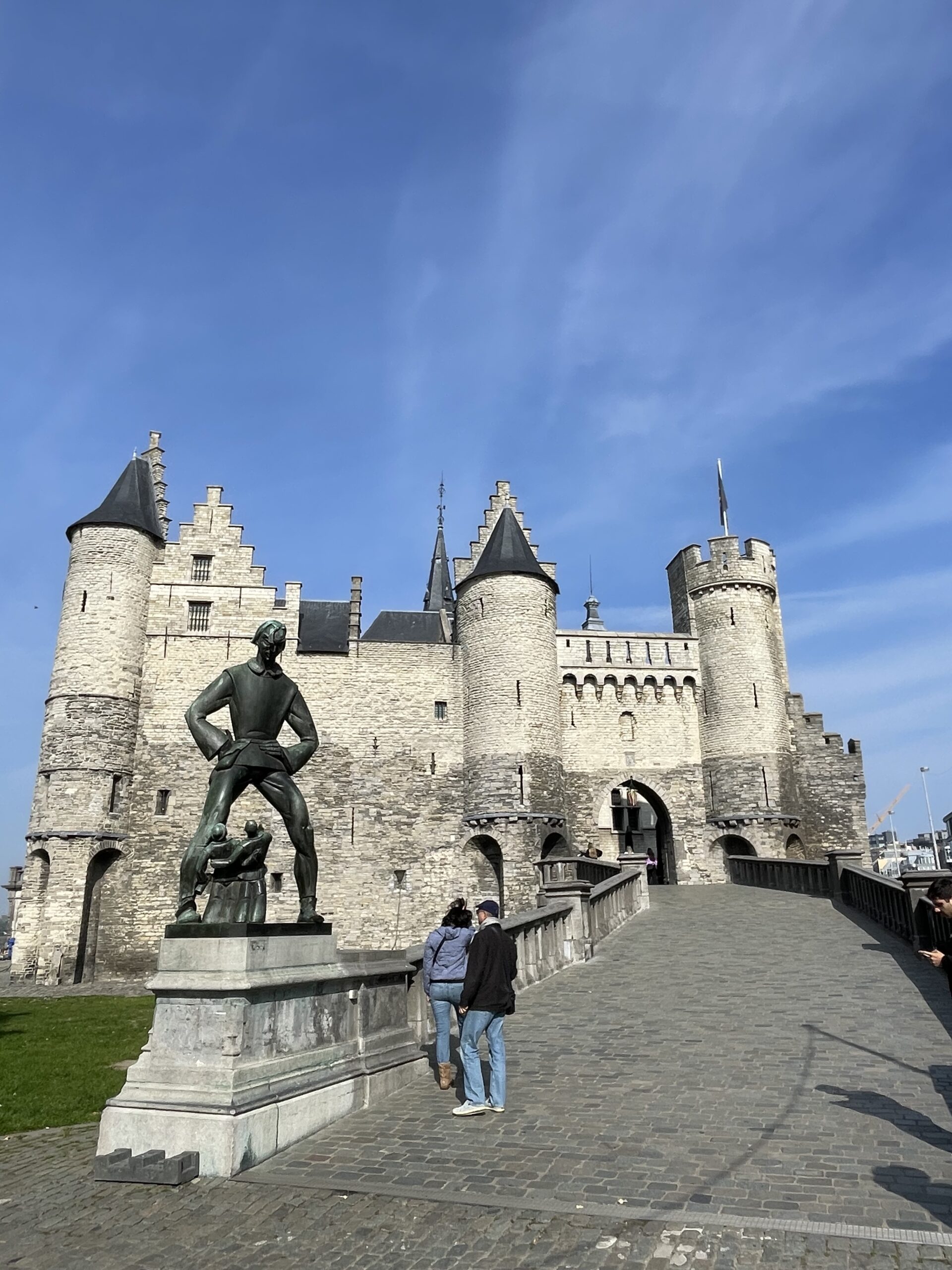
The Route at a Glance
- Total Distance: 3,500+ km (one way)
- Duration: 22 Days (Sept – Oct)
- Countries: Spain, France, Belgium, Netherlands, Germany, Denmark, Sweden, Norway.
- Key Segments: Crossing the Pyrenees, the lowlands of Benelux, the German Autobahn, and the major bridges of the Scandinavian interior.
Journey Cost Breakdown
Here is the breakdown of the total expenses:
The Return: Normandy’s WWII Hotspots
For the return leg, I detoured through Northern France to visit the historic sites of the Normandy landings. These locations offer a powerful contrast to the long highway miles of the interior:
- Omaha Beach & Pointe du Hoc: Iconic landing zones and preserved German bunker ruins.
- Normandy American Cemetery: A powerful memorial in Colleville-sur-Mer overlooking the coast.
- Arromanches & Sainte-Mère-Église: Sites of the artificial “Mulberry” harbors and the famous paratrooper memorial on the church spire.
- Logistics: Most D-Day sites in Normandy are within a 30-minute drive of Bayeux, which makes for an excellent central base.
Tolls & Bridges Summary Table
| Country | Cost (Return) | Key Instructions & Links |
| Norway & Sweden | Variable | Register your vehicle at Epass24 for automated billing. |
| Øresund Bridge (Denmark–Sweden) | €100.00 | Sign up for ØresundGO. Pay a €50 annual fee to reduce the cost of each crossing to €25 (Total: €50 + €25 + €25). |
| Denmark (Storebælt Bridge) | €62.68 | Cost is €31.34 each way. You can pay directly at the bridge. |
| France & Spain | ~€180.00* | France: register on Sanef for “free-flow” tolls that read your license plate automatically. |
| Netherlands | Registration | Check Low Emission Zones (LEZ). Even if your vehicle is exempt, you must register at Amsterdam.nl. |
- All costs are shown in euros (€)
- Figures are approximate and may vary due to exchange rates and card conversion fees when paying in DKK (Danish krone), NOK (Norwegian krone), or SEK (Swedish krona)
- Prices may also vary depending on vehicle type and season
- Tip: Complete registrations before travel to avoid delays or fines
- Money-saving tip: ØresundGO becomes cost-effective if you cross the bridge more than once
Interactive Map
You can view the full daily itinerary, specific stops, and the return route via Google My Maps: Gijón to Oslo (Return via Normandy):
Want to automate your planning? Head to AI Mode in Search and select the Canvas tool to describe your trip. It will transform your ideas into a cohesive itinerary, organizing flights, hotels, and attractions on a map so you can spend less time researching and more time exploring.
Accommodation, Connectivity & Logistics Tips
1. Prioritize “Aparthotels” with Parking
When driving into cities like Antwerp, Amsterdam, or Oslo, parking can easily cost €30–€50 per night. Look for modern aparthotels that offer contactless check-in, integrated kitchens, and secure on-site parking.
- Numa: High-design apartments across Europe (great for Germany and Benelux). They usually have excellent digital-first service.
- Bob W: Specializes in “smarter alternatives to hotels.” They provide full kitchens and are very prevalent in the Nordics (Norway/Sweden).
- Solo Tip: Having a kitchen is the fastest way to offset the high cost of dining in Norway. Cooking even one meal a day can save you €200+ over the course of the trip.
2. The “Stock Up” Strategy
The price of basic goods increases significantly as you move north from Spain.
- Water & Bulk Goods: Buy your heavy items (water crates, non-perishables, dry snacks) in Spain or Germany.
- The “Norway Tax”: Alcohol, tobacco, and processed snacks are notoriously expensive in Norway. If you enjoy a specific brand of coffee or snacks, buy them before crossing the Danish/Swedish borders.
3. Fuel Management
- Off-Highway Stops: In France and Germany, fuel at rest stops on the main motorways (Autobahn/Autoroute) is often 20% more expensive than at a supermarket station (like Carrefour or E.Leclerc) just 5 minutes off the exit.
- Apps: Use apps like GasBuddy or Waze to find the cheapest fuel along your route in real-time.
4. Stay Connected with an eSIM (HelloFly)
If you’re road-tripping across multiple countries, switching SIM cards is a headache you don’t need.
Holafly eSIM: A super convenient option for Europe-wide data. You can activate it instantly (no physical SIM), and it works seamlessly across borders, perfect for GPS, bookings, and last-minute planning.
Why it matters: When you’re driving through rural Norway or crossing borders frequently, reliable data is non-negotiable. This saves you time, stress, and roaming surprises.
5. Navigating France: Transport Cards Made Easy
If you’re planning to spend time in cities like Paris, don’t rely only on your car.
Île-de-France Transport Cards (Navigo Pass): Ideal for unlimited travel on metros, RER trains, buses, and trams. If you’re staying a few days, it’s often much cheaper and easier than buying single tickets.
Pro Tip: Parking in Paris is expensive and stressful. Park outside the city and use public transport, it’s faster, cheaper, and way less chaotic.